
CETACEANS WATCHING
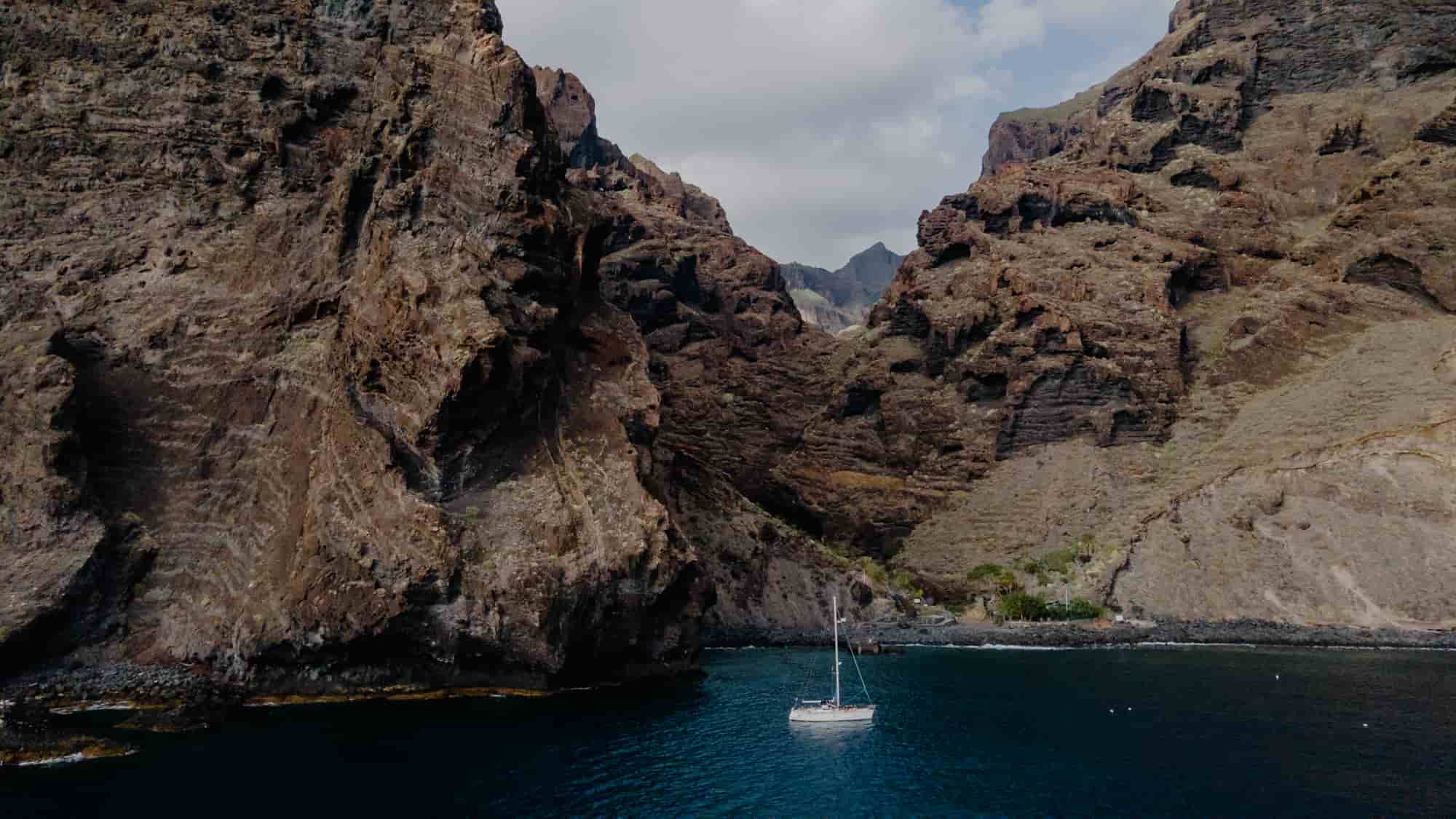
Acantilado de los Gigantes
Descuento online
- Capitán & Guía
- Comida elaborada y bebida
- 9 personas como máximo
- Actividades: Snorkel
- Privado o Compartido
- Transporte: Consultar
Book now
Before you book
This is only one part of the experience
At Picarus we don’t sell a single-animal trip. On the same sailing outing through the Teno-Rasca Marine Strip we watch tropical pilot whales, bottlenose dolphins and other species and —sea conditions permitting— we swim, snorkel and take in the Los Gigantes cliffs. We want to help you understand a whole ecosystem, not just spot one animal.
Other ways to explore this outing:
What is cetacean watching in Los Gigantes?
Picarus Sailing Club's cetacean watching is a sailing trip from the marina of Los Gigantes (Tenerife) to see whales and dolphins in their natural habitat, in the Teno-Rasca marine strip —one of the best areas in Europe, home to more than 30 cetacean species such as the short-finned pilot whale and the bottlenose dolphin. After the sighting we anchor near the coast for a swim or snorkelling, with food and drinks on board.
- Where
- Los Gigantes marina, Santiago del Teide (Tenerife).
- Includes
- swimming, snorkelling and food and drinks on board, with skipper and guide.
- Trips
- 3-, 4- and 6-hour excursions, family-friendly (up to 9 people).
- Booking
- online, 100% secure.
Verified sightings
What we have seen at sea
These are the latest real sightings logged on board by our guides with GeoReport, trip after trip, in the Teno-Rasca marine strip.
They are published one day later and without coordinates: we share what the sea gives us without pointing at where the animals are.
Cetaceans Watching
Tenerife, the largest of the Canary Islands, is known to be a paradise for nature lovers. One of the most exciting experiences that can be had in Tenerife is the sighting of cetaceans in the marine strip of Teno-Rasca. In the Canary archipelago, you can see more than 30 different species of cetaceans.
The combination of various factors, both geological and biological, make the island of Tenerife a unique place in the world for whale watching.
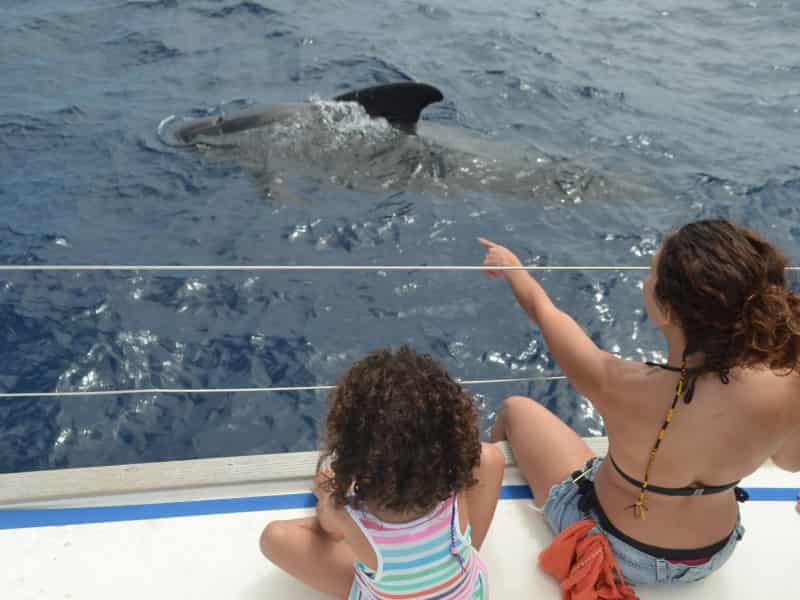
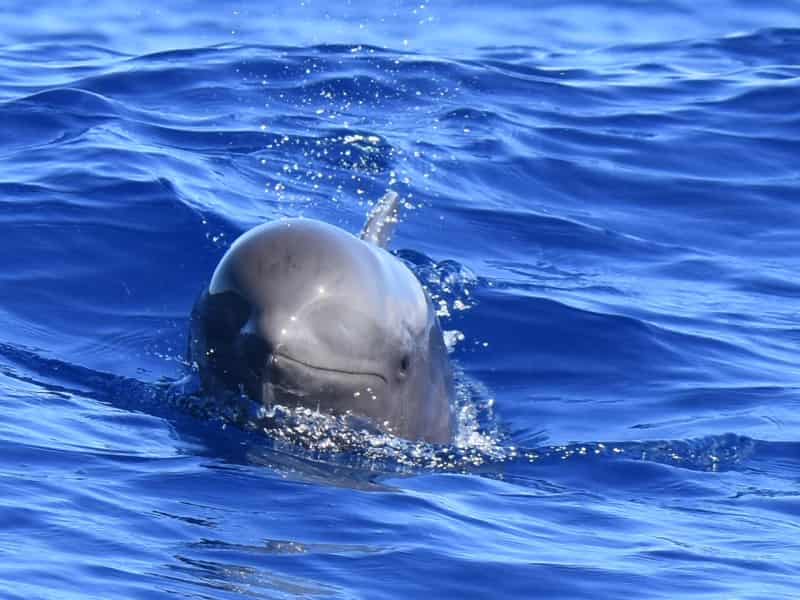
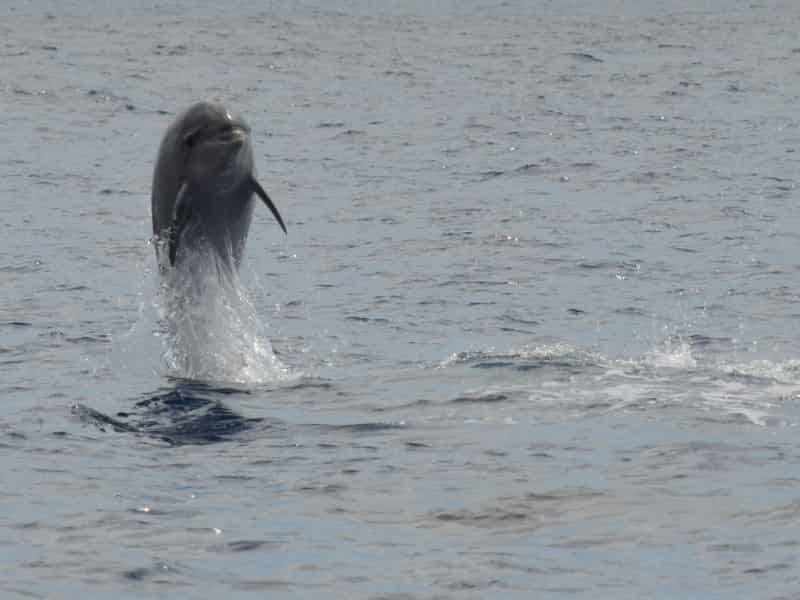
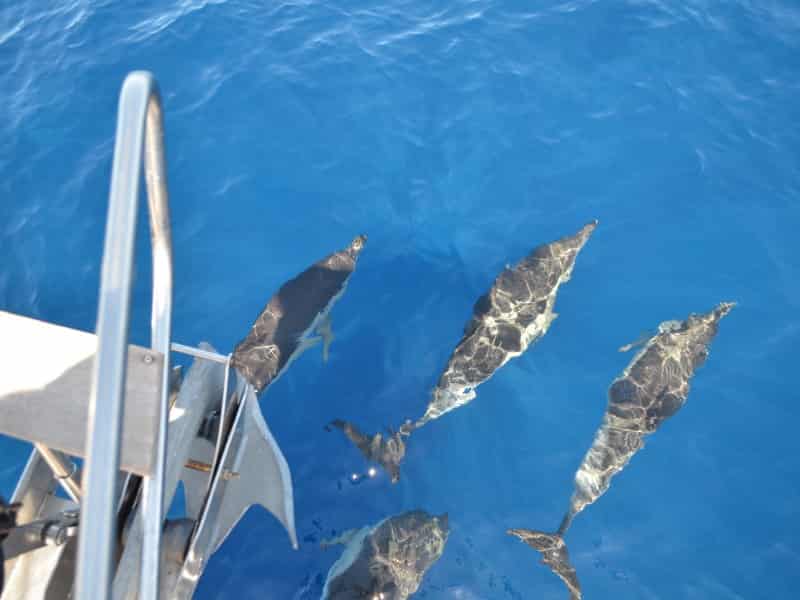
One of the most common cetacean species in the Teno-Rasca marine strip are short-finned pilot whales (Globicephala macrorhynchus) and bottlenose dolphins (Tursiops truncatus). Seeing these animals in their natural habitat is an exciting and unique experience.
Cetaceans in Acantilado de los Gigantes
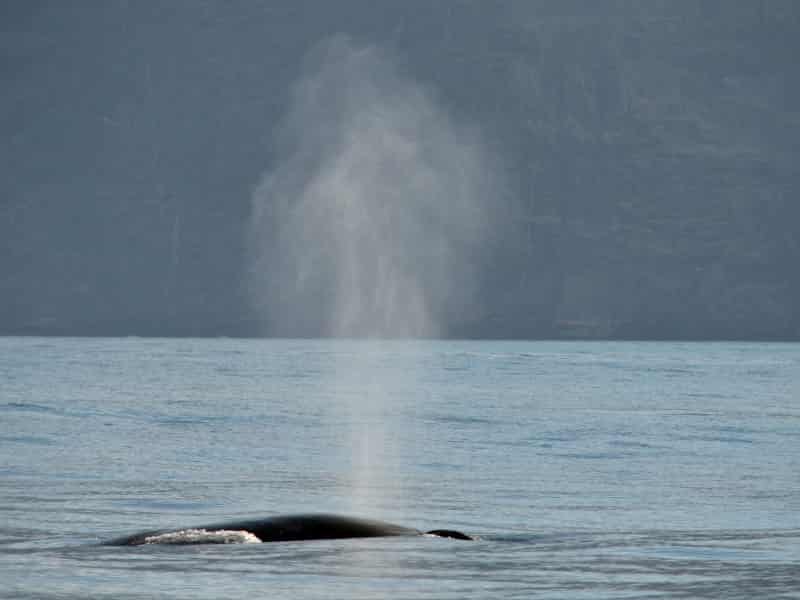
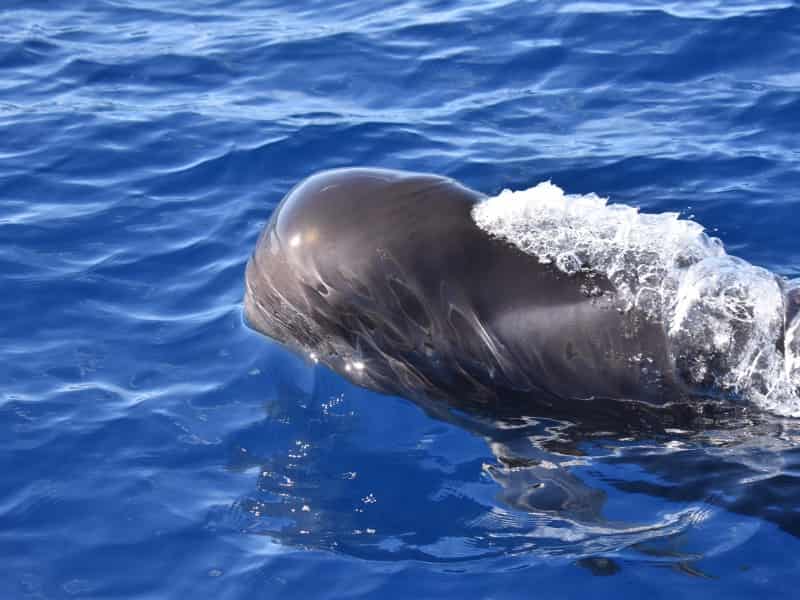
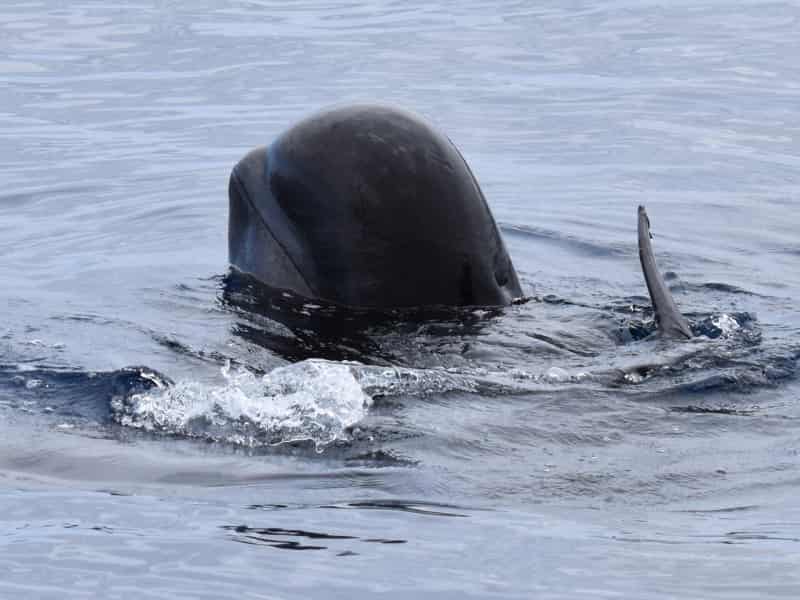
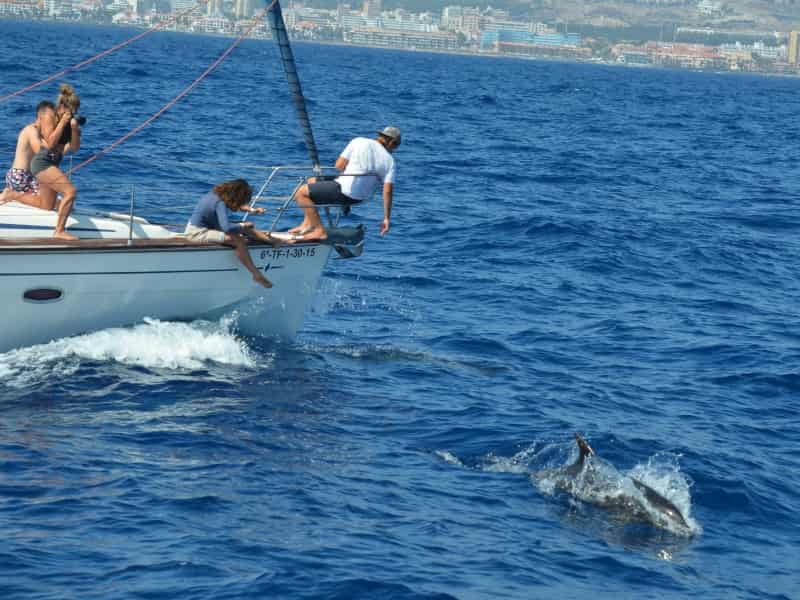
Under the Acantilado de Los Gigantes
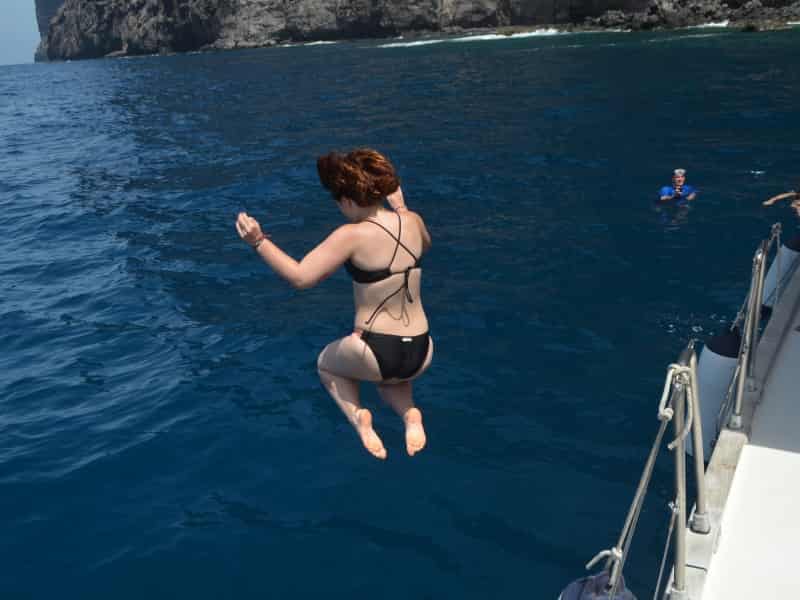
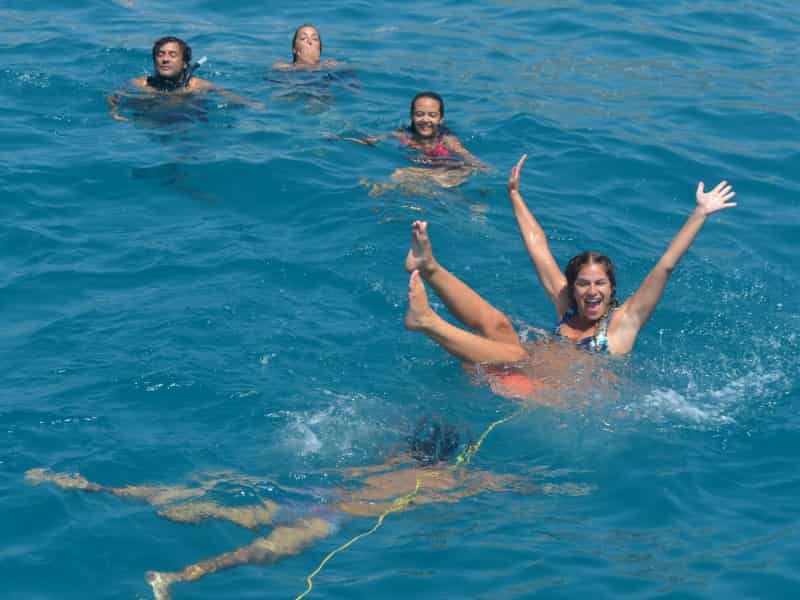
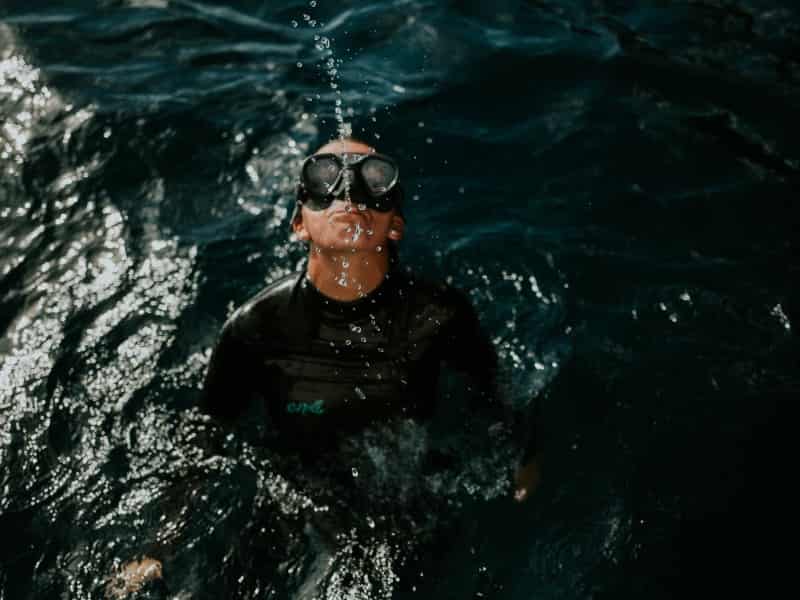
To finish the excursion, after doing the whale watching, we anchor somewhere near the coast, we always look for the most comfortable place for our clients where you can enjoy a bath or snorkel.
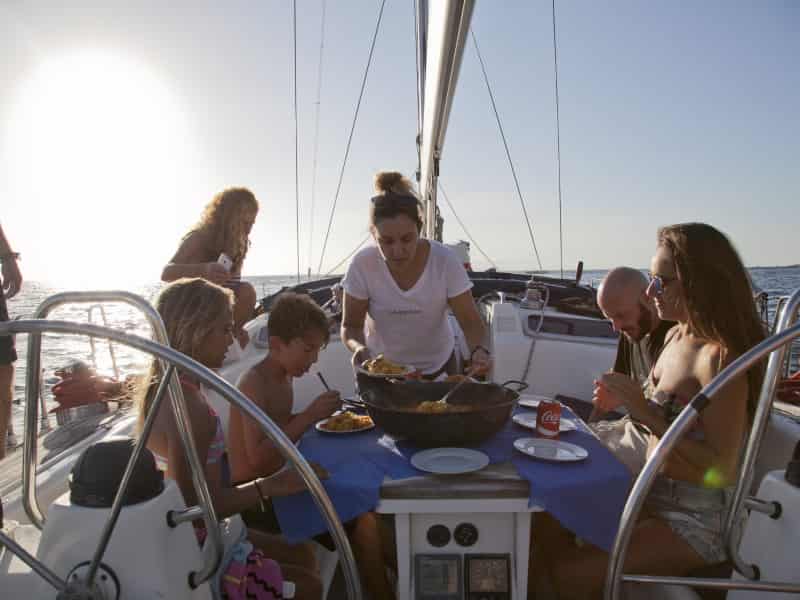
To eat we prepare a delicious snack based on tapas suitable for vegetarians, you will also have cold drinks (Dorada beer, soft drinks, white wine and water).
Cetacean Route guided by Captain and Guide
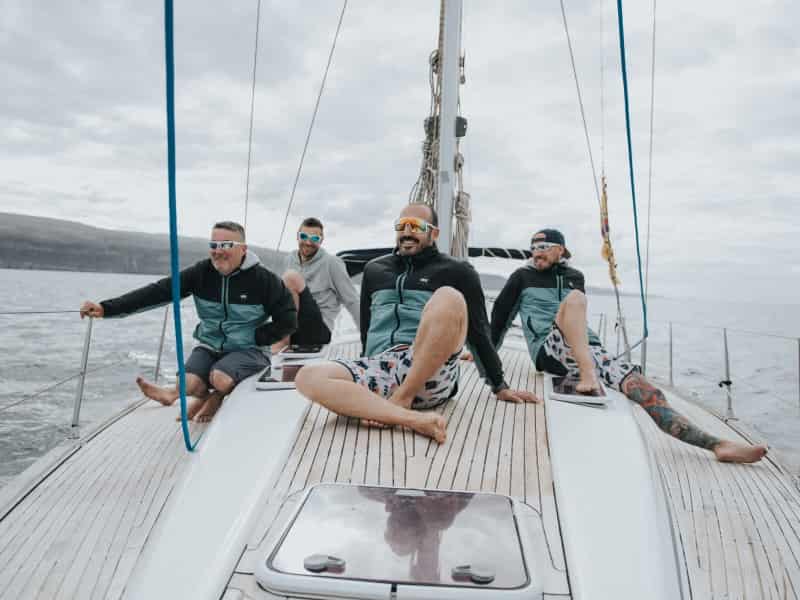
We start from the Los Gigantes Cliffs marina, from where we head southwest sailing a few miles away from the coast in search of our main objective, to spot some of the families of Cetaceans such as the Calderones Tropicales that reside in this area.
Then we head towards Los Gigantes Cliffs, a place of special beauty that also has a great diversity of sea birds and the possibility of seeing some type of sea turtles.
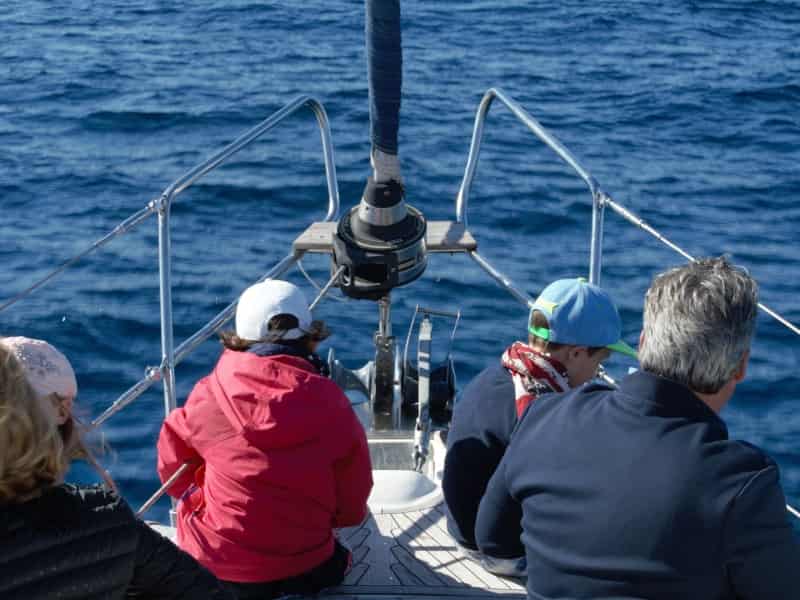
Throughout the navigation our crew will always be vigilant to detect the presence of another of the many species of cetaceans that cross our waters.
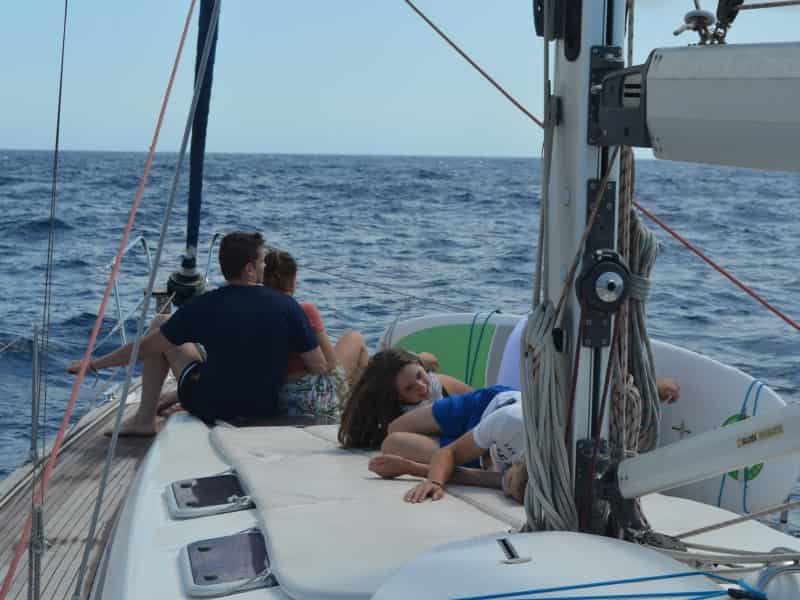
We encourage you to look for any indication or suspicion together, an adventure on board to discover together what the excursion has in store for us. Each excursion is different and each season may bring migratory species from other areas of the Atlantic.



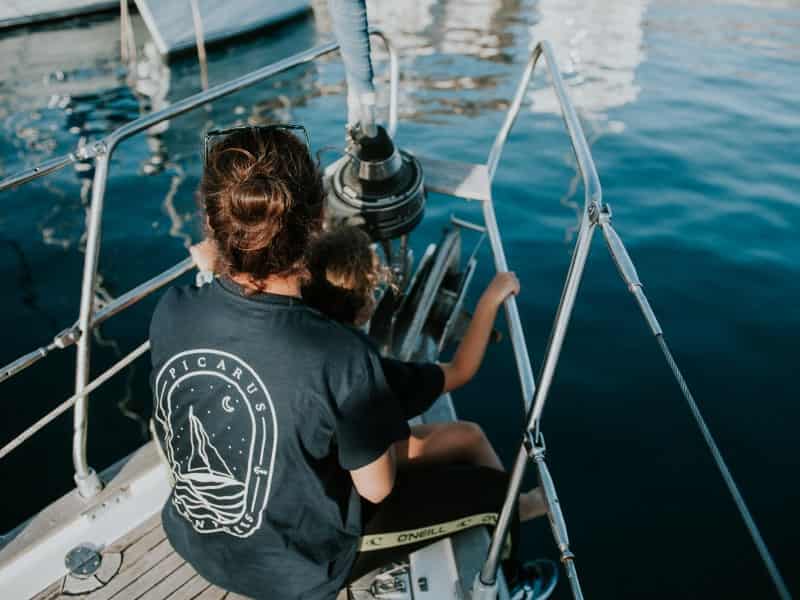
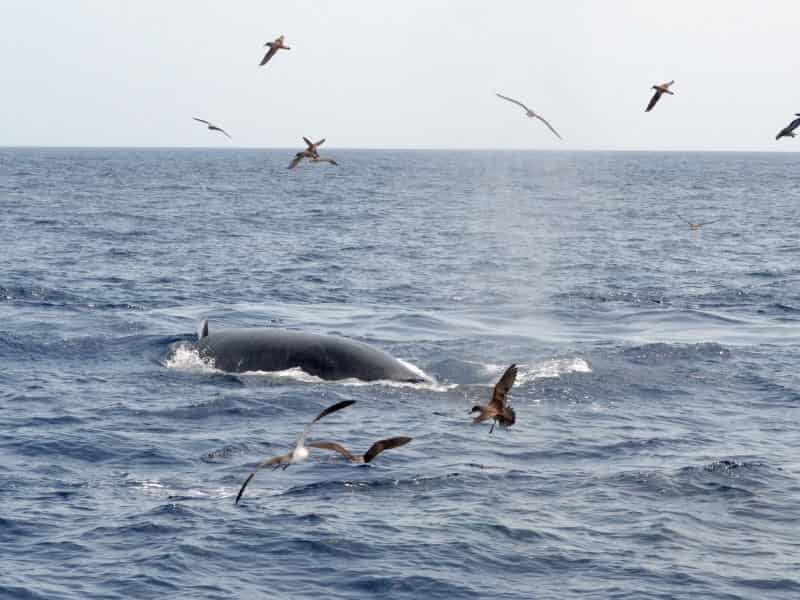
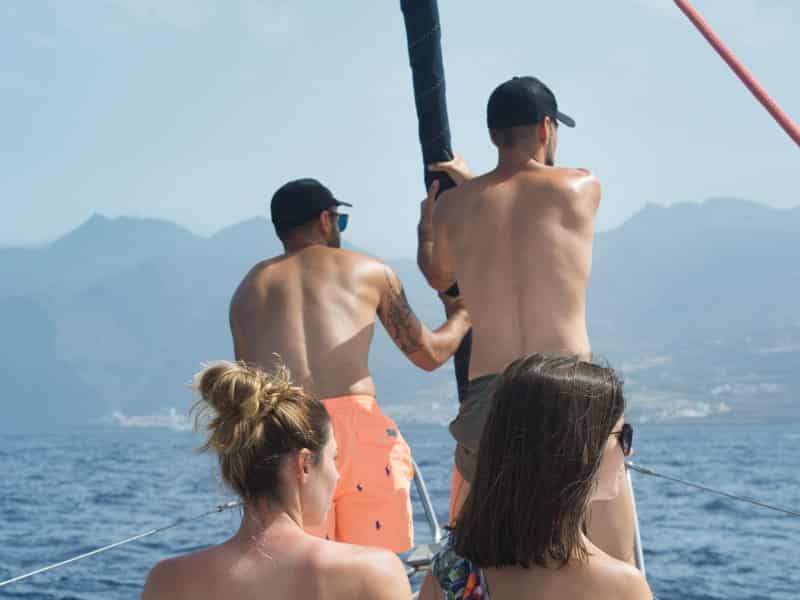
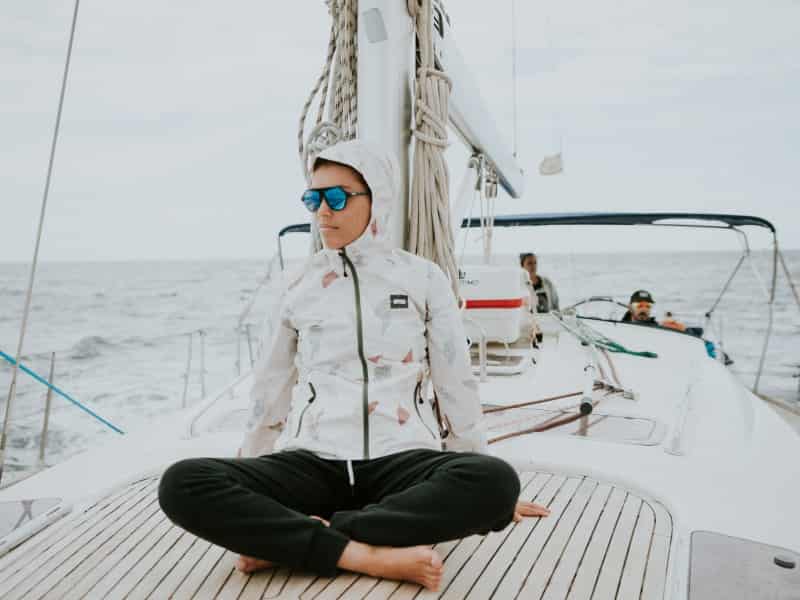
Which cetaceans live in the Teno-Rasca Marine Strip
We always sail within the Teno-Rasca Marine Strip, the band of sea running from Punta de Teno to Punta de Rasca, off south-western Tenerife. It is a Special Area of Conservation within the Natura 2000 network, and in January 2021 the Tenerife-La Gomera stretch became the first destination in Europe certified as a Whale Heritage Area by the World Cetacean Alliance together with World Animal Protection.
The seabed here drops away very quickly close to shore, so there is deep water just a few minutes from land. That is why cetaceans live in this strip all year round, rather than merely passing through. The two resident species we meet most often are the short-finned pilot whale — which, despite its common name, belongs to the dolphin family — and the bottlenose dolphin. Less frequently, Bryde's whales or sperm whales appear, and it is common to see loggerhead turtles surfacing to breathe and Cory's shearwaters gliding just above the water.
We never promise an encounter. The sea is not a stage that switches on when a boat arrives: we approach slowly, without chasing, sailing at under four knots near the animals, and we let them decide.
Frequent questions
-
What is the maximum capacity of the boat?
Our boat has a capacity of 9 people, including children and babies.
-
Can children go on excursions?
Yes, children over 3 years old on the 3-hour shared excursion, and with no age restrictions on private tours.
-
What type of menu and drinks do you offer on your excursions?
Our menu is mainly vegetarian, you can enjoy a substantial appetizer, in which you can taste, Spanish omelette, Canarian cheese with nuts, guacamole with nachos, tomato salad, Iberian sausages and seasonal fruit. We offer fresh drinks during the trip, Golden Beer, soft drinks (not white brands), white wine and water (the drink is limited, but we do not skimp)
If you have any food allergies, ask us and we will prepare an alternative menu for you.
-
What is the meeting point?
📍 Puerto Deportivo Los Gigantes, pantalán 1, amarre 152.
Do you want to know more about Cetaceans?
-
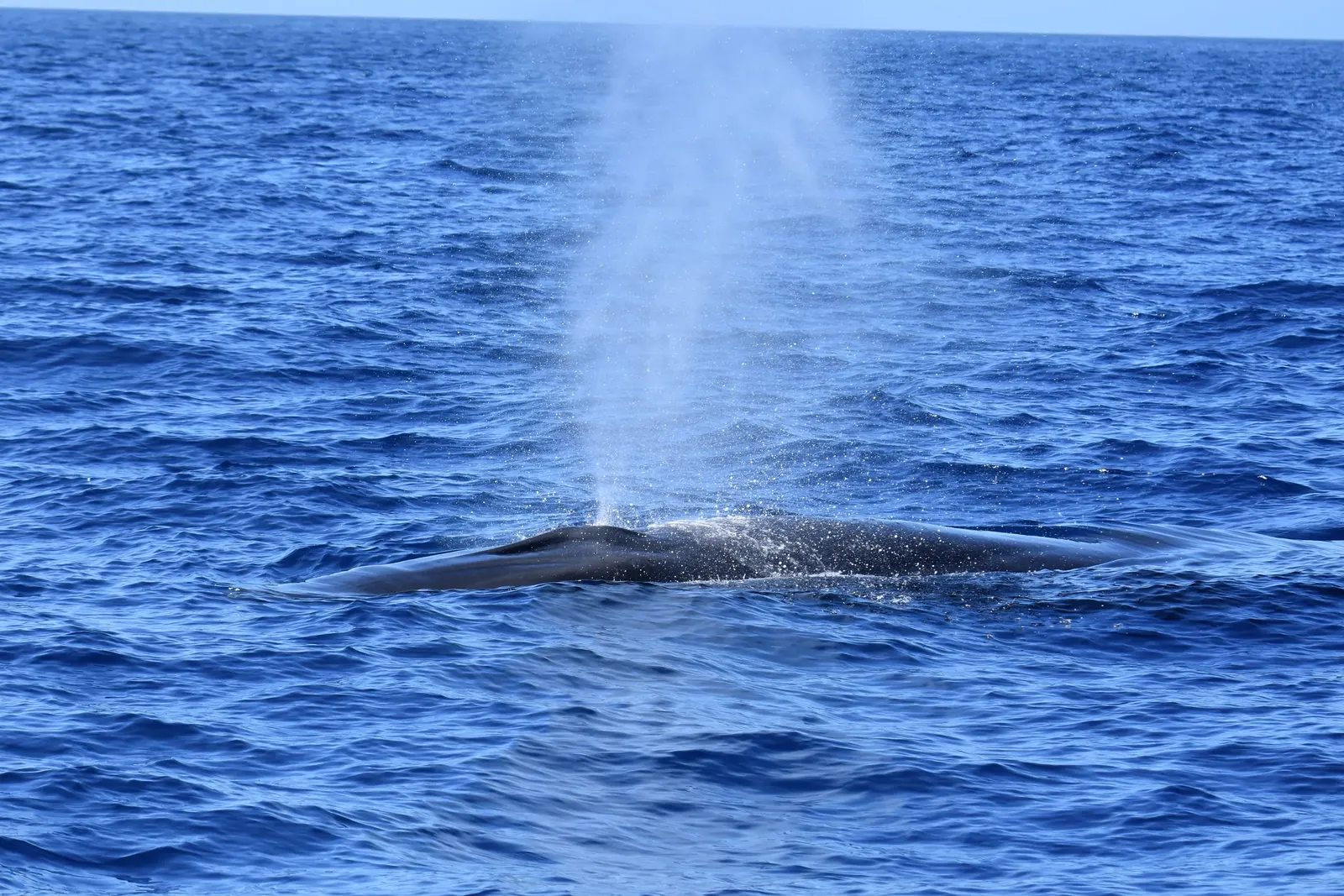
The 5 largest marine species in Tenerife
03 May 2023
-
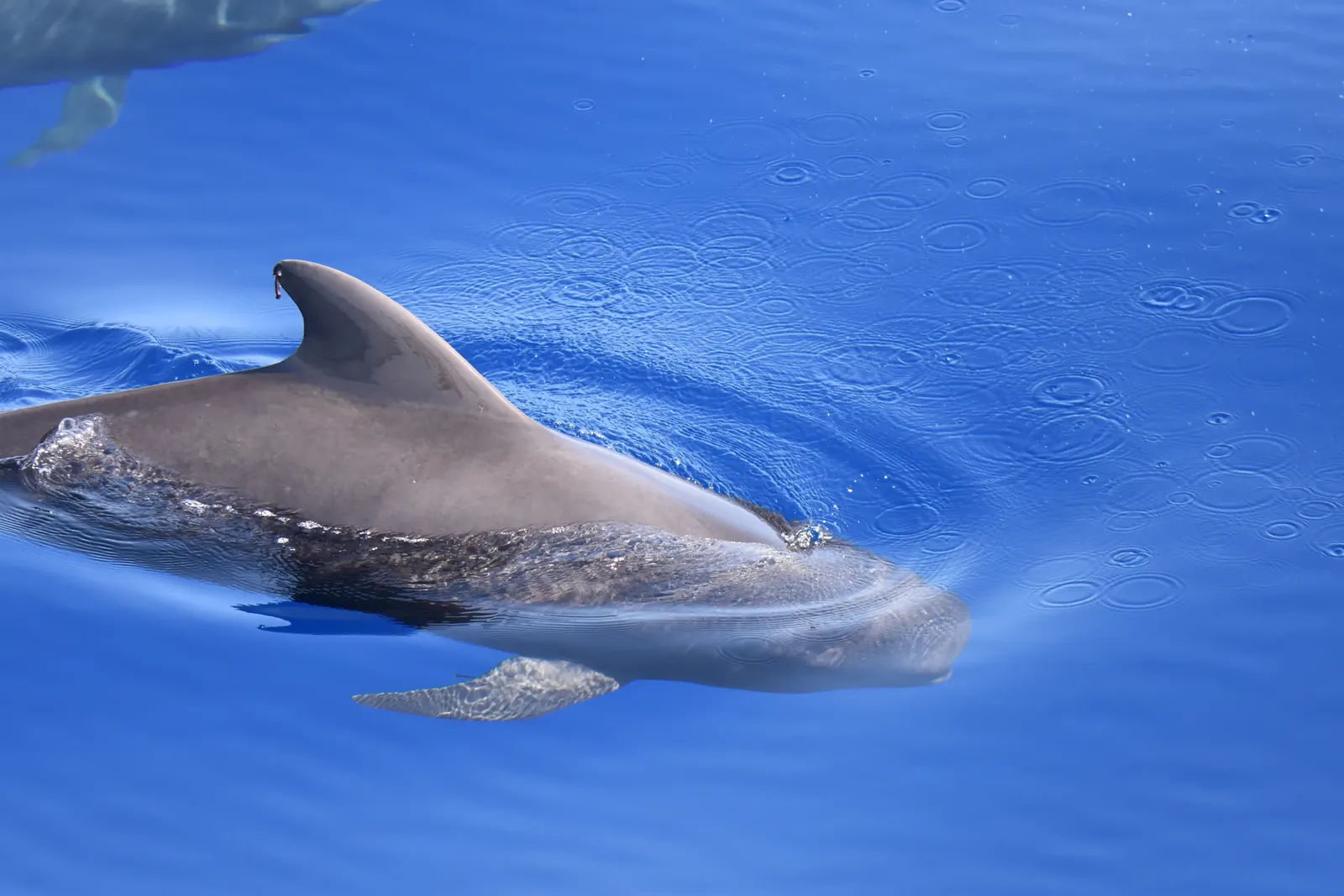
See Cetaceans in the South of Tenerife
03 May 2023
Certifications
A guarantee of trust
Quality milestone · 2018
ISO 9001:2015
We were the first company in the sector to obtain the ISO 9001:2015 certificate for whale watching and crewed services for maritime excursions (AENOR, 2018).
Learn more →-
Certified destination
Whale Heritage Area Tenerife-La Gomera
The first destination in Europe certified for its responsible relationship with whales and dolphins: the marine strip we sail.
Learn more → -
Official emblem
“Barco Azul” (Blue Boat) flag
The Canary Islands Government emblem identifying vessels legally authorised for whale watching.
Learn more → -
State authorisation
AROC authorisation
The Spanish Government authorisation for recreational cetacean watching, with our sailboats on the official register.
Learn more → -
Member
ACEST — South Tenerife Cetacean Association
South Tenerife whale-watching companies united for cetacean conservation and the dignity of the activity.
Learn more → -
Member
World Cetacean Alliance
The world’s largest alliance for the protection of whales, dolphins and porpoises, with Picarus in its responsible-operator directory.
Learn more → -
Signatory company
Sustainability Charter for Whale Watching
The voluntary commitment of Tenerife’s whale-watching companies to cetaceans and the marine environment, driven by Turismo de Tenerife.
Learn more → -
Contributor
Calderones de Canarias
Citizen science: over 500 tropical pilot whales photo-identified in Canary waters with the help of the crews.
Learn more → -
Contributor
Tonina Association
Canarian biologists dedicated to marine research and outreach: cetaceans, turtles and sharks.
Learn more →




Come and visit us!
The map is served by Google Maps and only loads if you ask for it: once shown, Google may set its cookies.