The Ocean Is Their Home: we are joining the campaign for a dolphinarium-free Europe

Cetaceans Watching

The Ocean Is Their Home: we are joining the campaign for a dolphinarium-free Europe

24 November 2026

Reviewed by Félix

Ten dolphinariums in Spain and 14 EU countries with none

«The Ocean Is Their Home» is the Dolphinaria-Free Europe Coalition campaign that, since 24 November 2026, puts forward responsible whale and dolphin watching as an ethical alternative to captivity. Spain has ten dolphinariums, eight of them currently open, and the largest population of captive cetaceans in Europe, while at least 14 European Union countries no longer have a single one. In a dolphinarium, natural behaviours such as hunting, travelling, exploring and making choices disappear.

The Ocean Is Their Home: we are joining the campaign for a dolphinarium-free Europe

On 24 November 2026 the Dolphinaria-Free Europe Coalition, whose representative member in Spain is FAADA (Fundación para el Asesoramiento y Acción en Defensa de los Animales), launches «The Ocean Is Their Home». Picarus Sailing Club is one of the whale and dolphin watching companies taking part in the initiative. Its message is the one we try to share on every trip: the sea is not a stage, it is the home of the animals that live in it.

Wild animals that need the open sea

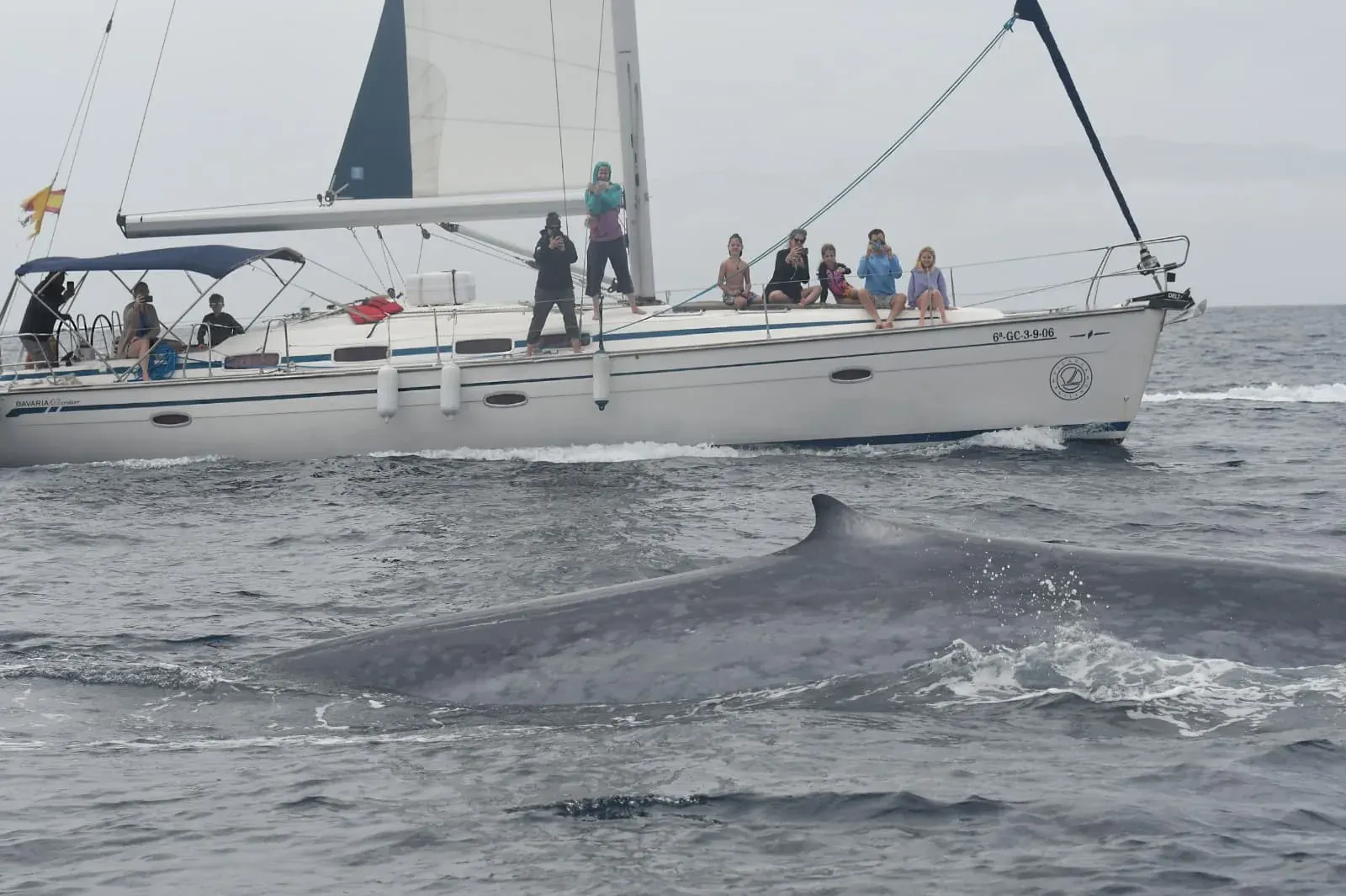
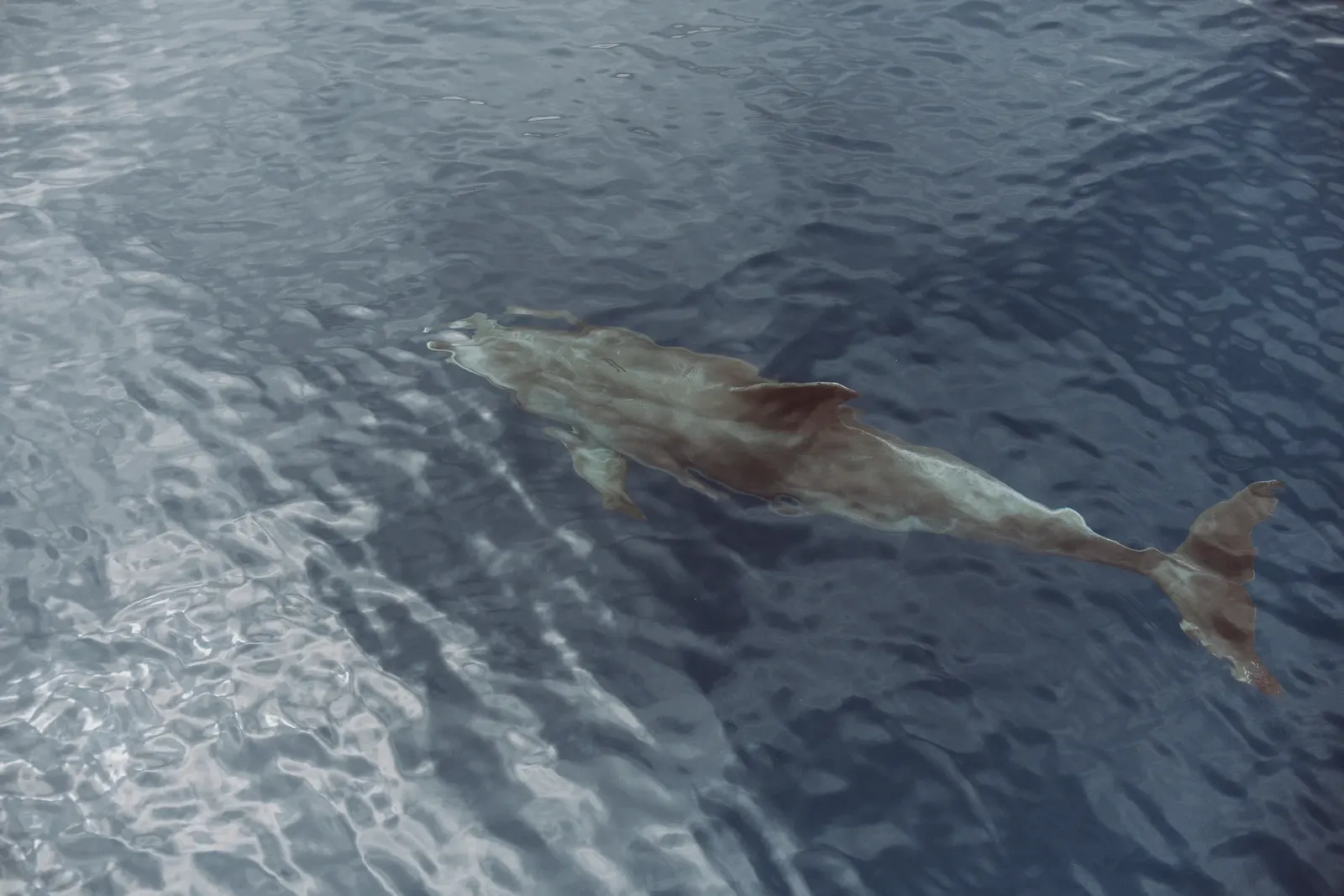
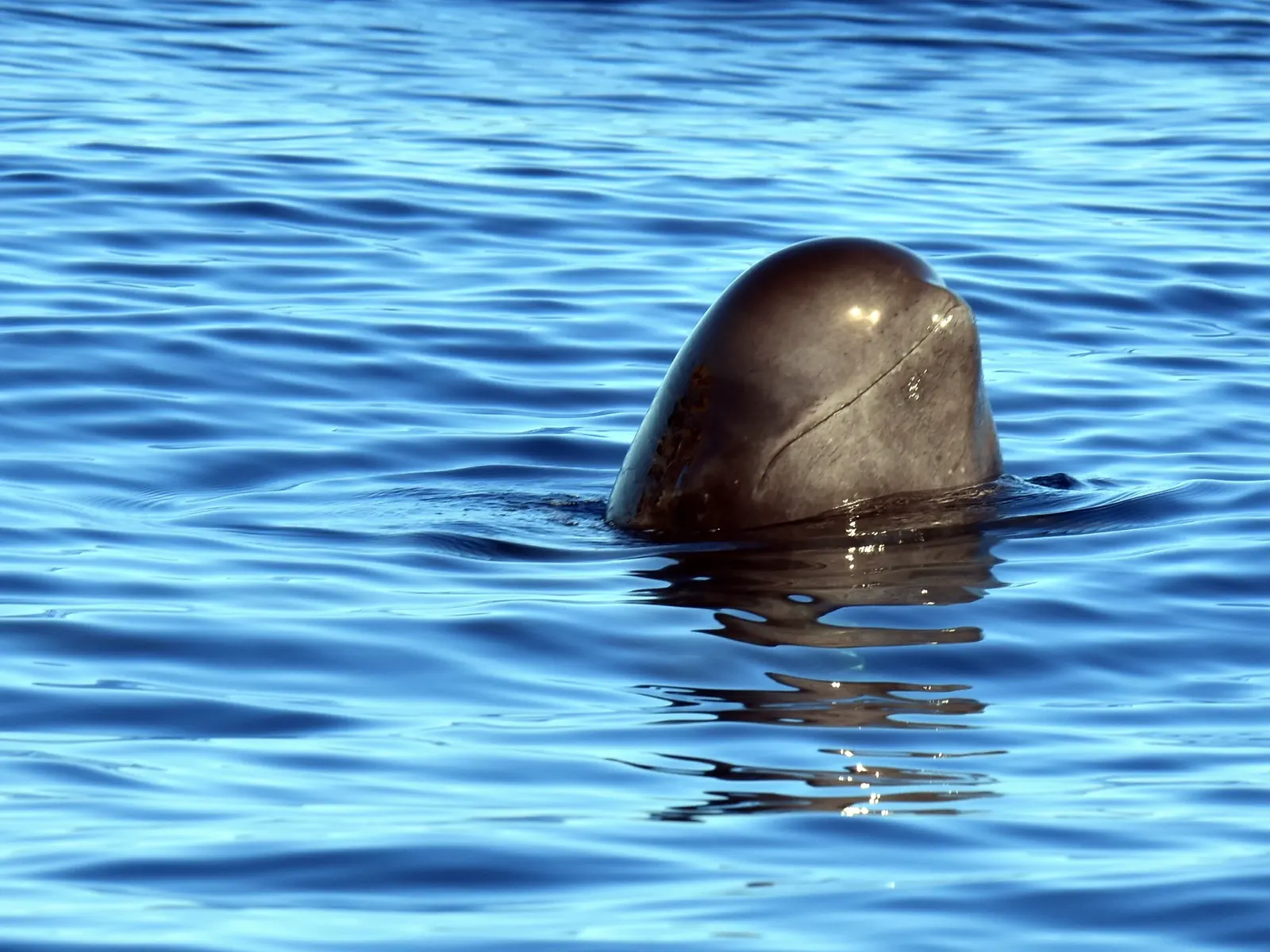
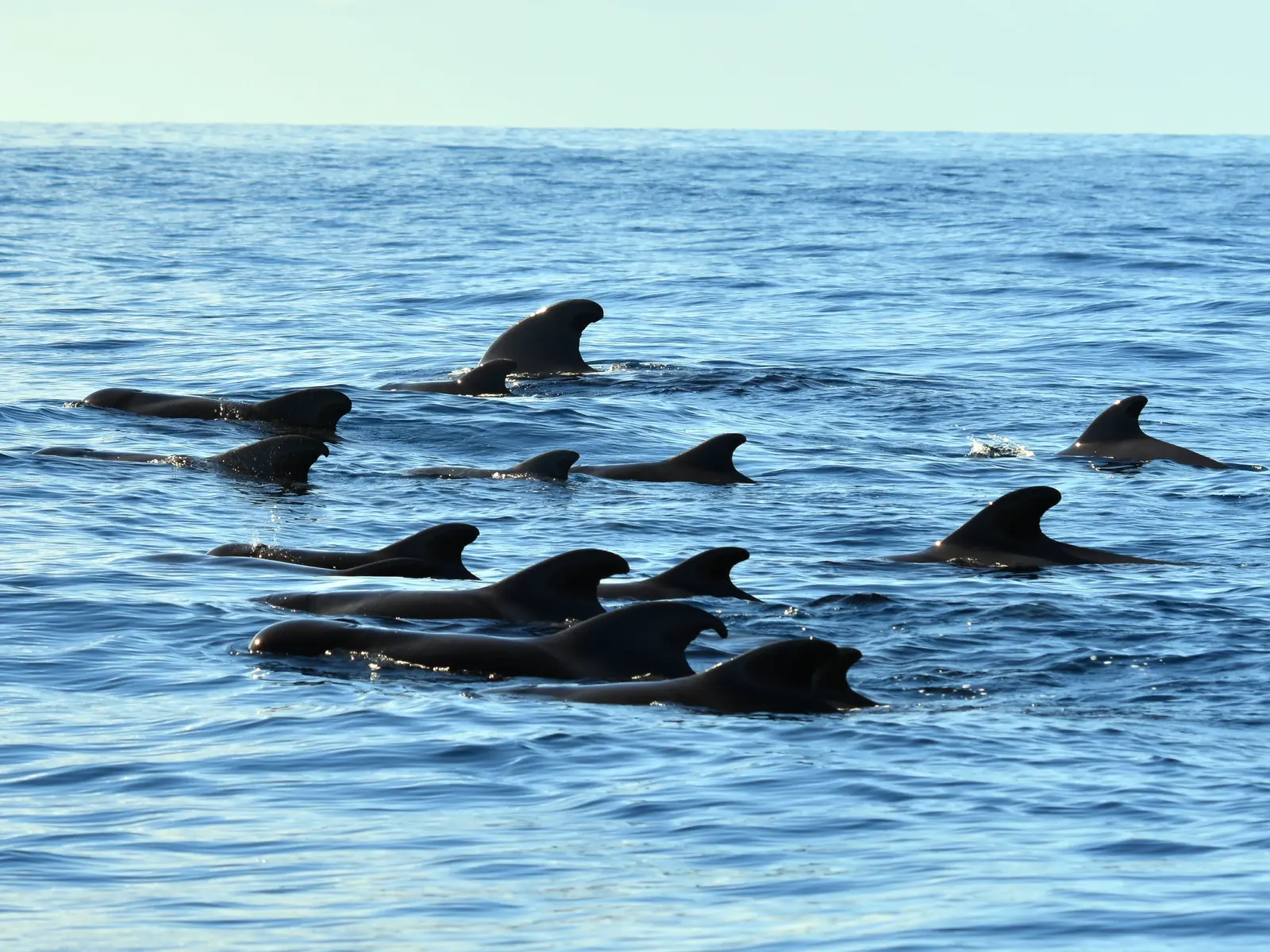
Whales, dolphins and other marine mammals are wild animals. They have complex behaviour, a rich social life and ecological needs that can only be fully met in their natural environment. Watching them in the wild shows us what they are really like and, at the same time, helps us understand why the marine ecosystems they depend on must be protected.

What is lost in a dolphinarium

Responsible whale and dolphin watching means observing these animals in their habitat without changing what they are doing. Cetaceans kept in captivity to entertain the public, by contrast, have very little space, very little freedom of movement and few chances to express many of the behaviours that define their species.

In a dolphinarium, people decide every aspect of their lives: the size and make-up of the group they live with, what they eat, their daily routine, who they interact with and when they rest. Natural behaviours such as hunting, travelling, exploring and making choices disappear, while essential parts of their lives, such as reproduction, social relationships and mothers caring for their calves, are profoundly altered.

All of this takes a toll on their welfare: the complexity of the open ocean is replaced by a tightly controlled environment that offers little stimulation and little room for natural behaviour.

Spain, the European country with the most dolphinariums

According to the Dolphinaria-Free Europe Coalition (November 2026), Spain has more dolphinariums than any other country in Europe: ten facilities, eight of them currently open, and therefore the largest population of captive cetaceans on the continent. The international trend is moving the other way, away from keeping cetaceans in captivity: at least 14 European Union countries no longer have a single dolphinarium.

Why we are joining the campaign

In light of this, we are proud to join the Dolphinaria-Free Europe Coalition’s campaign, which puts forward responsible whale and dolphin watching as an ethical alternative to dolphinariums.

Our commitment is for every experience to rest on respect, education and conservation. Every trip out to sea is a chance to discover the extraordinary lives of whales and dolphins where they truly belong, to learn more about the marine environment and to inspire people to protect it.

Trade the tanks for the ocean: watch marine life without limits.
Frequent questions

  • What is the «The Ocean Is Their Home» campaign?

    It is the campaign of the Dolphinaria-Free Europe Coalition, whose representative member in Spain is FAADA (Fundación para el Asesoramiento y Acción en Defensa de los Animales). It was launched on 24 November 2026 and Picarus Sailing Club has joined it. It promotes responsible watching of wild whales and dolphins as an ethical alternative to dolphinariums, with a clear message: the ocean, not a tank, is where cetaceans belong.

  • How many dolphinariums are there in Spain?

    According to the Dolphinaria-Free Europe Coalition (November 2026), Spain has ten dolphinariums, eight of them currently open. It is the European country with the most facilities of this kind and therefore holds the largest population of captive cetaceans on the continent, while at least 14 European Union countries no longer have a single one.

  • Why is it better to see dolphins and whales in the wild than in a dolphinarium?

    Because in the wild they can live according to their nature: hunting, travelling, exploring, making choices and keeping up their social life. In a dolphinarium, people control the group they live with, what they eat, their routines and their rest, and aspects such as reproduction and calf rearing are profoundly altered, with consequences for their welfare.

  • What is responsible whale and dolphin watching?

    It means observing whales and dolphins in their natural habitat without disturbing their behaviour. For us, every trip rests on respect, education and conservation: discovering these animals where they truly belong, learning more about the marine environment and inspiring people to protect it, always remembering that they are wild animals.

Share this experience

Acantilado de los Gigantes

Descuento online

  • Capitán & Guía
  • Comida elaborada y bebida
  • 9 personas como máximo
  • Actividades: Snorkel
  • Privado o Compartido
  • Transporte: Consultar

Book now

Certifications

A guarantee of trust

Quality milestone · 2018

ISO 9001:2015

We were the first company in the sector to obtain the ISO 9001:2015 certificate for whale watching and crewed services for maritime excursions (AENOR, 2018).

Learn more →

Come and visit us!

The map is served by Google Maps and only loads if you ask for it: once shown, Google may set its cookies.

Reviews

What those who have already sailed with us say