What a Special Area of Conservation is
SAC stands for Special Area of Conservation. It is one of the strongest protection categories in the Natura 2000 network, the European network of natural areas.
A place is designated an SAC when it holds habitats or species that Europe considers of special value. Recognising it on paper is not enough. The designation requires the area to be managed with specific conservation measures.
Put simply: an SAC is not only protected, it is actively cared for. There are rules and objectives so that its wildlife and its seabeds stay healthy over the years.
What it means when you sail with us
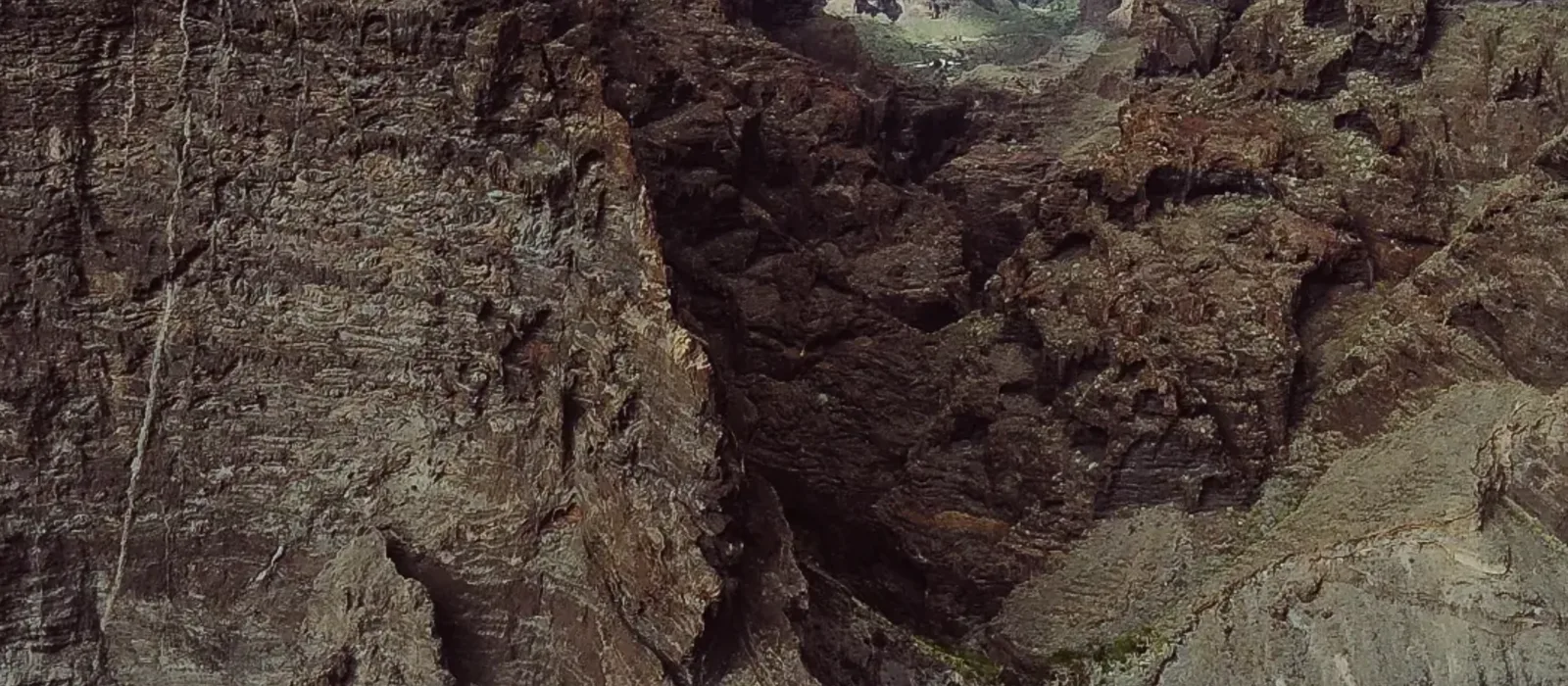
The Teno-Rasca Marine Strip, the sea we head out into every day, is designated a Special Area of Conservation. Among the reasons are its cetaceans and its sea turtles.
Sailing through an SAC reminds us who is in charge here. Nature is in charge. We are guests in an area that has its own rules.
That is why we adapt the way we sail to the place. We go slowly, we keep our distance from the animals and we avoid disturbing them. The sea is not a stage set up for the visitor.
Working with small groups helps us live up to that protection. Fewer people and less noise mean less impact on an area that Europe has decided to conserve.
How to check that a place is an SAC
SAC status is not granted by a company or a tourist guide. It is awarded by the authorities within the framework of the Natura 2000 network, after studying the natural values of the site.
Each area has its official designation and its management measures. That is why talking about an SAC means talking about a serious recognition, not a commercial label.
When we head out to sail, we do so knowing that this sea bears that mark. And we adjust every trip to live up to what it represents.